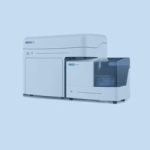
Flow Cytometer: What It Is, How It Works, and How to Choose the Right System
Flow Cytometer: What It Is, How It Works, and How to Choose the Right System
Flow cytometry is an essential laboratory technology used in medical diagnostics, research, and clinical laboratories. A flow cytometer allows scientists and doctors to analyze cells, particles, and biomarkers quickly and accurately.
In this article, we will explain what a flow cytometer is, how it works, and how to choose the right flow cytometry system for your laboratory.
What Is a Flow Cytometer?
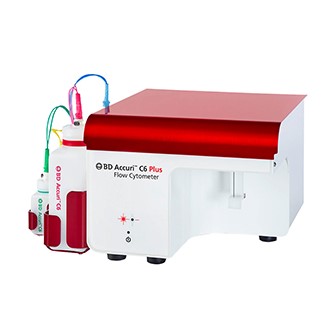
A flow cytometer is a laboratory instrument used to analyze the physical and chemical characteristics of cells or particles suspended in a fluid. The machine uses lasers to detect and measure different properties of individual cells.
Flow cytometry is commonly used in:
- Immunology
- Hematology
- Oncology
- Microbiology
- Research laboratories
- Clinical diagnostics
How Does a Flow Cytometer Work?
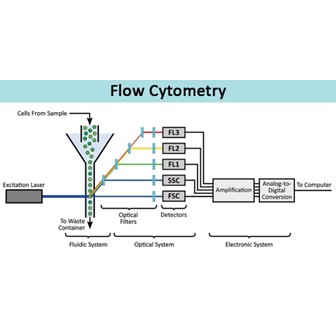
A flow cytometer works in several steps:
- Cells are suspended in a fluid.
- The fluid passes through a laser beam.
- Cells scatter light and emit fluorescence.
- Sensors detect the light signals.
- The system analyzes and displays data.
This process allows laboratories to analyze thousands of cells per second.
Main Components of a Flow Cytometer
A standard flow cytometer includes:
- Fluidics system
- Laser system
- Optics system
- Detectors
- Computer and software
These components work together to analyze cell characteristics such as size, complexity, and biomarkers.
Popular Flow Cytometer Brands
Some of the most trusted flow cytometer manufacturers include:
- Beckman Coulter
- BD (Becton Dickinson)
- Sysmex
- Thermo Fisher Scientific
These companies produce high-quality and reliable flow cytometry systems used worldwide.
How to Choose the Right Flow Cytometer
When selecting a flow cytometer, consider the following:
1. Number of Parameters
Choose a system based on how many parameters you need to measure.
2. Number of Lasers
More lasers allow more complex analysis.
3. Sample Throughput
High-throughput systems are necessary for large laboratories.
4. Software and Data Analysis
Good software makes analysis easier and faster.
5. Budget and Maintenance
Consider maintenance costs, reagents, and spare parts.

Applications of Flow Cytometry
Flow cytometry is used for:
- Cancer diagnosis
- HIV testing
- Immunophenotyping
- Cell sorting
- Stem cell research
- Vaccine research
- Blood analysis
Conclusion
Flow cytometers are essential devices for modern laboratories and medical facilities. Choosing the right system from trusted manufacturers ensures accurate results, efficient workflow, and long-term reliability.
👉 Contact Hami Medical for flow cytometer systems from leading brands like Beckman Coulter and BD.
