
What are the thermal advantages of LED over xenon in endoscopes?
What are the thermal advantages of LED over xenon in endoscopes?
LEDs vs xenon lamps in endoscopes: thermal advantages
- Lower radiant heat output to patient and instrument
- LEDs convert a higher proportion of electrical power into light rather than heat, resulting in cooler operation at the source. Xenon lamps, while bright, waste more energy as heat, leading to greater heat generation near the distal tip and along the light path.
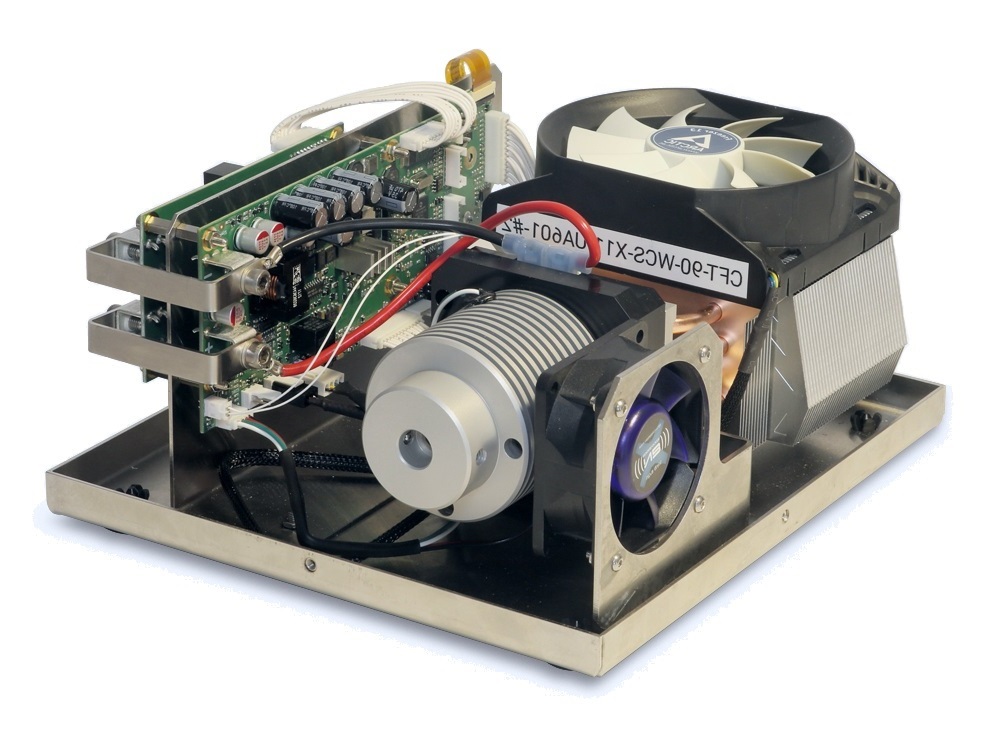
White light LED-Module for integration into endoscopic inspection system
- Reduced distal tip heating
- The cooler emission profile of LEDs helps keep the endoscope tip at safer temperatures, reducing the risk of tissue thermal damage during prolonged procedures.
- Improved thermal management and duty cycling
- LED light sources can be pulsed or modulated with precise duty cycles, allowing heat to dissipate between bursts. Xenon lamps typically run continuously at high power for consistent brightness, contributing to higher continuous heat load.
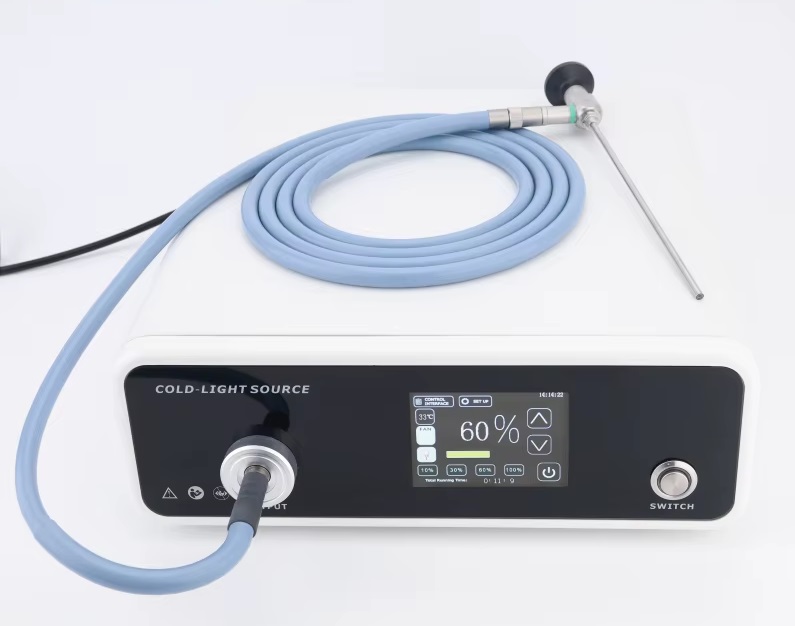
LED Light Source 200W Endoscopy Camera System Cold Light Generator
- Lower heat transfer to surrounding optics
- Less heat at the light source minimizes thermal drift and reduces the chance of temperature-induced refractive index changes or pigment/adhesion issues in optics and seals.
- Extended component longevity
- Prolonged high thermal stress can degrade seals, connectors, and fiber optics. LEDs’ cooler operation helps reduce thermal wear, potentially extending the life of fragile endoscope components.
- Safer for microendoscopy and fine channels
- For microendoscopes and slender channels, managing heat is critical. LEDs’ lower heat output facilitates use in smaller, more thermally sensitive instruments without requiring elaborate cooling schemes.

Xenon Lamp
Key takeaway
- LEDs generally provide cooler, more controllable illumination with lower peak temperatures compared to xenon lamps, enabling safer, longer, and more versatile endoscopic procedures, especially in delicate or high-precision settings.